
Are Solar Panels Worth It in Austin, TX Right Now?
Solar panels are popping up on rooftops from Travis Heights to the Domain, but homeowners still ask the one question that matters: Are solar panels actually worth it in Austin, TX right now?
The answer isn't a simple "yes." It depends on your roof, your wallet, and understanding how Austin Energy plays the game.
While the market dynamics differ from solar installation in Houston, Austin has some of the best solar potential in the country, driven by rising utility rates and unique local incentives. This guide cuts through the hype to help you decide if residential solar makes financial sense for your specific situation.
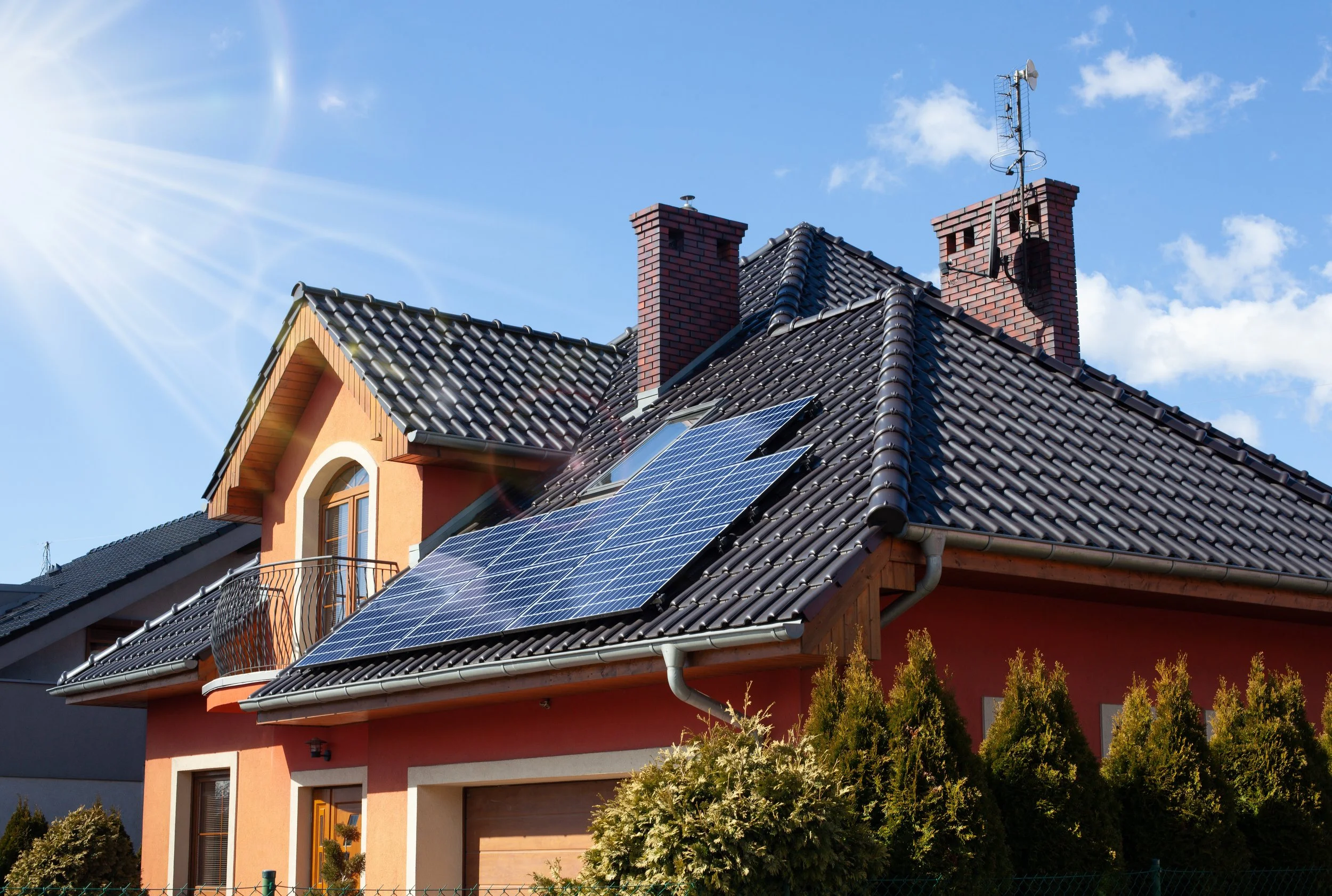
Is Austin, Texas, a Good City for Solar Energy?
Austin consistently ranks among the best cities in Texas for solar energy, but not just because it's sunny. The combination of high solar exposure and the city’s aggressive green energy goals creates a "perfect storm" for adoption.
Average Sunlight and Peak Sun Hours in Austin
Austin receives an average of 220 to 230 sunny days per year. Peak sun hours typically range from 5 to 5.5 per day. This is the "sweet spot" for production.
Higher peak sun hours mean a solar system can generate massive amounts of electricity without needing to cover every square inch of your roof. Efficient production means a faster Return on Investment (ROI).
Austin Climate and Solar Panel Performance
Solar panels love light, but they hate heat. Fortunately, modern Tier-1 panels are designed to handle Texas heatwaves and continue producing power even when the pavement is melting.
What about the storms? Rain actually helps clean your panels, and modern systems are rated to withstand the hail and strong winds common in Central Texas. If your roof can take it, the panels usually can too.
Why Austin Is One of the Best Texas Cities for Solar
Austin combines strong sunlight with Austin Energy, a municipally-owned utility. Unlike the confusing deregulated market in Houston or Dallas, Austin Energy offers structured, predictable programs. They want you to go solar—but you have to play by their rules.
How to Know If Solar Panels Are Worth It for Your Austin Home
Solar is not a one-size-fits-all solution. Whether solar panels are worth it for your home depends on usage, roof conditions, and your financial goals.
Your Home’s Electricity Usage in Austin
Big homes with pool pumps and old A/C units benefit the most. Air conditioning costs in Austin can be brutal from May to October. Solar systems are designed to crush these high daytime energy demands.
The Rule of Thumb: If your average bill is under $100, solar might not pencil out. If you’re consistently over $150-$200, youare losing money that solar could save you.
Current Austin Electricity Rates and Utility Costs
Austin Energy uses a tiered rate structure; the more you use, the more you pay per kilowatt-hour. Solar helps you shave off that expensive top-tier usage.
With utility rates rising annually to pay for grid upgrades, locking in your power costs today protects you from tomorrow's inflation.
Roof Orientation, Shade, and Roof Condition
South and West-facing roofs are the gold standard in Austin.
South: Maximum total energy.
West: Captures that late afternoon sun when A/C usage peaks.
Warning: Austin has beautiful old trees. If a 100-year-old Oak shades your roof, solar is likely a poor investment. We will tell you that upfront.
Homeownership Timeline and Long-Term Savings
Solar is a marathon, not a sprint. It delivers the most value to homeowners planning to stay in their home for 5+ years. If you are flipping the house next year, the math gets tighter.
How Much Do Solar Panels Cost in Austin, TX?
Let’s talk about real numbers. Solar panel costs in Austin vary based on system size, equipment, and installation complexity.
Average Solar Installation Cost in Austin
The average residential solar system in Austin typically costs between $15,000 and $25,000 before incentives. Prices depend on your specific energy needs.
Don't let the sticker price scare you; federal and local incentives are designed to significantly reduce it.
Solar Panel Cost by System Size
Most Austin homes install systems ranging from 6 kW to 10 kW.
Too Small: You still have a big electric bill.
Too Big: You might produce power you don't get fully paid for (more on that later).
Just Right: Hello Solar designs systems that perfectly match your household usage.
Factors That Affect Solar Pricing in Austin
Roof Type and Installation Complexity Steep roofs, metal standing seam, or tile materials require specialized labor. A simple composite shingle roof is the most cost-effective to install.
Equipment Quality and Panel Efficiency: You get what you pay for. High-efficiency panels cost more but generate more power in a limited space. In neighborhoods with smaller roofs (such as Hyde Park or Crestview), high-efficiency panels are often required to meet energy goals.
Battery Storage and Backup Power Options: Adding a Tesla Powerwall or Enphase battery increases the cost but provides the one thing panels alone cannot: Backup Power.
Solar Incentives and Tax Credits Available in Austin, TX
Incentives are the difference between a "good" deal and a "no-brainer."
Federal Solar Investment Tax Credit (ITC)
The Feds are still paying for 30% of your project. The federal solar tax credit allows homeowners to claim 30 percent of system costs as a credit against federal taxes. This applies to panels, inverters, and battery storage.
Project Cost: $20,000
Tax Credit: -$6,000
Net Cost: $14,000
Austin Energy Solar Incentives and Rebates
Austin Energy offers a specific Solar Photovoltaic (PV) Rebate (often around $2,500) for residential customers.
The Catch: You must use a participating contractor and complete their "Solar Education Course" to qualify.
The Benefit: This is cash off the top, stackable with the 30% Federal Credit.
Property Tax Exemptions for Solar in Texas
Texas allows property tax exemptions for the added value of a home from solar systems. Your house is worth more, but your taxes don't go up.
How Incentives Impact Solar Payback Period
When you stack the Austin Energy Rebate + the Federal 30% Credit, you are effectively buying the system at a massive discount. This can shave 3-5 years off your payback period.
How Long Does It Take for Solar Panels to Pay Off in Austin?
Payback period measures how long it takes for savings to equal the system cost.
Average Solar Payback Period in Austin, TX
Most Austin homeowners see payback within 8 to 12 years. Considering panels are warranted for 25 years, that leaves you with 13+ years of essentially free electricity.
Factors That Shorten or Extend Payback Time
Shorten: High electricity rates, full rebates, South-facing roof.
Extend: Heavy shade, low energy usage, borrowing at high interest rates.
Lifetime Savings of Solar Panels in Austin
Over 25 to 30 years, solar panels can save tens of thousands of dollars in avoided electricity costs. It’s better to have that money in your bank account than in Austin Energy’s.
Benefits of Installing Solar Panels in Austin, TX
Solar offers financial, practical, and environmental benefits.
Lower Monthly Electricity Bills: Solar reduces reliance on grid electricity. Many homeowners see their summer bills drop from $300+ to manageable double digits.
Protection Against Rising Energy Costs: Austin Energy rates have historically. Solar locks in your cost of power at today’s price.
Increased Home Value in the Austin Real Estate Market: Homes with solar panels often sell faster and for higher prices. Buyers in Austin love eco-friendly upgrades that lower their monthly operating costs.
Backup Power During Grid Outages. Crucial Note: Solar panels alone do not work when the grid goes down (safety regulations). You need a battery vs. generator to keep the lights on during the next winter freeze.
Environmental Benefits of Clean Energy Solar reduces carbon emissions and reliance on fossil fuels. It supports Austin’s goal to be a leader in clean energy.
Solar Panels and Battery Storage in Austin
Battery storage is becoming standard in Austin, especially after recent grid failures.
Why Batteries Matter for Austin Homeowners Batteries store excess solar energy for later use. This improves self-consumption and energy reliability.
Solar Batteries vs Net Metering in Texas. This is where Austin is unique. Austin Energy uses a Value of Solar (VoS) rate. They credit you a fixed amount for every kWh you generate. Batteries let you store power for use during outages, rather than sending it all to the grid.
Backup Power During Heatwaves and Storms: When the grid buckles under the heat or freezes over, a solar + battery system keeps your home isolated, keeping the fridge cold and the WiFi on. Learn how to maximize battery life in extreme heat.
Is Solar + Battery Worth the Extra Cost? Batteries increase upfront cost but add resilience. For homeowners who lost power during Winter Storm Uri, the peace of mind is priceless.
What Austin Homeowners Should Watch Out for Before Going Solar
Understanding risks helps avoid common mistakes.
Upfront Costs and Financing Options Solar requires an upfront investment. We offer $0 down financing, but interest rates matter. We help you find the financial product that makes sense for you.
Solar Lease vs Ownership in Texas
Ownership: You get the Tax Credit. You get the Rebate. You get the Home Value increase.
Lease: The solar company gets the incentives. You just get a slightly lower bill.
Hello Solar Stance: Ownership is almost always better.
Buyback Rates and Net Metering Limitations: Do not assume a 1-to-1 Net Metering ratio. Understand the Value of the solar rate. We explain this clearly so there are no surprises on your first bill.
Choosing the Right Solar Installer in Austin: Experience, transparency, and system design quality matter. If an installer doesn't mention the "Austin Energy Solar Education Course," run away. They don't know the local rules.
Is Solar Still Worth It in Austin in 2026 and Beyond?
Solar value depends on future energy trends.
Rising Utility Rates and Grid Reliability. Electricity costs are expected to continue growing. Concerns about grid reliability also increase interest in solar and storage.
Changes to Solar Incentives and Policies. Incentives may change over time. The Federal 30% credit is locked in for now, but local rebates run out of funding. Acting sooner helps secure current benefits.
Long-Term Outlook for Solar Energy in Austin. Austin’s commitment to clean energy supports long-term solar growth. Residential solar remains a substantial investment for many homeowners.
So, Are Solar Panels Worth It in Austin, TX?
For many homeowners in Austin, solar panels are worth it when installed correctly and paired with realistic expectations.
Who Benefits Most From Solar in Austin? Homeowners with high electricity usage, good roof conditions, and long-term plans benefit the most.
When Solar May Not Be the Best Option: Short-term homeowners or properties with heavy shade may see limited benefits. We will be honest if your house isn't a good fit.
How to Get a Personalized Solar Evaluation: A home-specific analysis provides accurate cost and savings estimates.
Get a Free Solar Quote for Your Austin Home
Stop guessing and start saving. If you are considering solar, the best next step is a personalized evaluation.
Hello Solar offers no-pressure consultations to help Austin homeowners understand the Value of solar, the rebate process, and their actual savings potential. Contact Hello Solar Today.
Frequently Asked Questions
1. Do solar panels really save money in Austin?
Yes. By offsetting expensive tiered energy rates and utilizing the Value of Solar credits, most homeowners save significantly over the system's lifetime.
2. Does solar increase home value in Austin?
In many cases, yes. Studies show buyers are willing to pay a premium for homes with pre-installed solar energy systems.
3. How long do solar panels last in Texas weather?
Most panels last 25 to 30 years and are designed specifically for high-heat environments like Texas.
4. Do I need permits to install solar panels in Austin?
Yes. Austin requires electrical and building permits. Hello Solar handles all the red tape for you.
5. Can I install solar panels myself in Texas?
DIY installation is allowed but strongly discouraged due to the high-voltage DC power and complex grid interconnection rules.
