
How to Maximize Battery Life in Extreme Heat
When the temperature rises, your battery feels the heat long before you do. From car batteries struggling in traffic to EVs and solar storage systems battling high temperatures, extreme weather can silently shorten your battery life.
This guide explains how hot weather affects your battery performance, what causes heat damage, and the best ways to protect your battery in a hot climate. Whether you’re powering your home or your vehicle, these practical tips will help you optimize battery health and beat the heat for a longer service life.
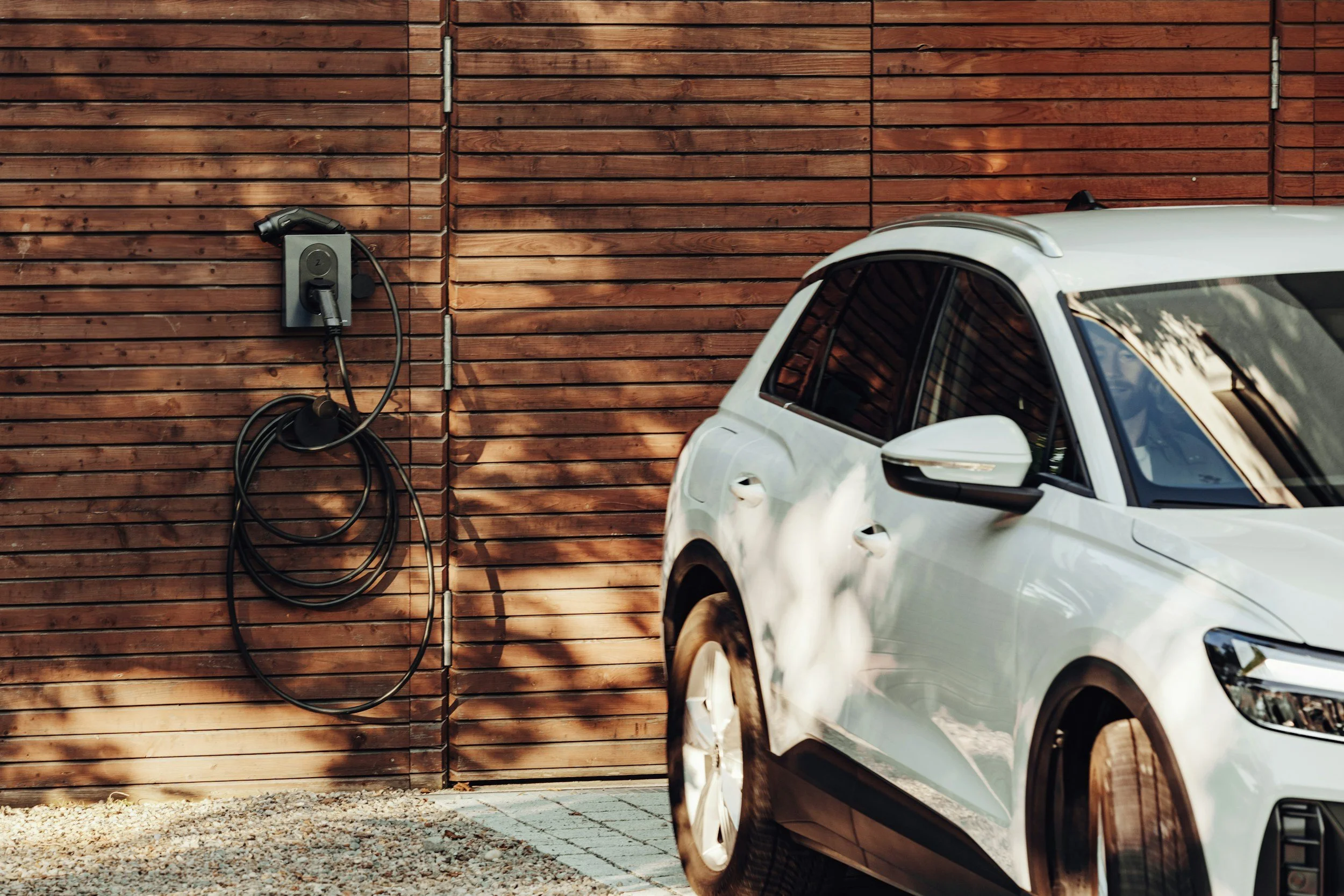
Why Hot Weather Is Tougher on Solar Batteries Than Cooler Seasons
Many people assume that cold temperatures are harder on solar batteries, but hot weather affects them even more. During a heat wave, high temperatures accelerate the chemical reactions in solar batteries. This may boost short-term performance, but it also increases corrosion and internal stress, accelerating battery wear.
In a hot climate, the electrolyte fluid inside the battery can evaporate or expand, leading to internal plate damage and reduced storage efficiency. Continuous exposure to high heat can make a solar battery drain faster, lose capacity, and shorten its overall service life.
Even though solar systems are built to handle outdoor conditions, prolonged exposure to heat can raise internal temperatures beyond safe operating limits. Without proper ventilation or shade, solar storage batteries can lose performance and energy retention efficiency during peak summer months.
Protecting solar batteries with good airflow, insulation, or shaded enclosures helps maintain performance and extend battery lifespan, especially in warm regions like Texas or Arizona.H2: How High Temperatures Affect Battery Chemistry.
Inside the battery, every chemical reaction is sensitive to temperature. When the battery temperature rises outside the ideal range, ions move faster, increasing current but also triggering unwanted reactions that degrade the electrodes.
In car batteries, the heat under the hood can exceed 150°F, causing the battery to lose water and corrode its internal grid. Lithium-ion batteries used in EVs and solar systems are subject to thermal stress that accelerates capacity loss.
This means that higher temperatures may temporarily maximize performance, but they shorten service life. Keeping batteries within their recommended temperature range helps ensure consistent output and prolongs battery life.
Worried your solar battery might be losing life due to heat?
Common Signs of Heat Damage and Battery Overheating
Recognizing early signs of heat damage can prevent major issues. The most common symptoms include:
Battery swelling or bulging is caused by gas buildup inside the cell.
Leaking electrolyte that corrodes terminals or damages nearby components.
The battery starts to lose charge faster than usual, indicating internal stress.
Inconsistent voltage or difficulty starting your car after parking in the summer heat.
These are red flags that heat and maintain balance are off. If ignored, battery overheating can permanently reduce battery capacity or cause dangerous expansion in lithium-ion batteries.
How Hot Weather Affects EV Batteries and Charging Systems
EV batteries face unique challenges in extreme temperatures. Most electric vehicles rely on battery packs with complex cooling systems. As summer temperatures rise, maintaining a consistent charge level becomes more difficult.
Fast charging during a heat wave can generate internal heat, reducing battery efficiency and increasing wear. That’s why most manufacturers recommend smart charging—a process that automatically adjusts the charging rate based on battery temperature.
To optimize battery longevity, avoid charging to 100% in hot conditions and use thermal management systems whenever possible. Following these habits will reduce battery degradation and extend the EV battery’s lifespan.
The Science Behind Battery Drain and Capacity Loss
In higher temperatures, ions inside the battery work harder, increasing reaction rates and overall output. However, this also speeds up chemical aging. Over time, the battery may lose 20–30% of its battery capacity due to accelerated battery reactions.
Charging and discharging cycles under heat further stress internal materials. As the electrolyte breaks down, resistance increases, which means the same amount of power now requires more energy. That’s why car batteries often fail sooner in summer temperatures than in winter.
Proper battery care, including shading, ventilation, and regular inspections, helps control temperature and slow down this natural degradation.
Types of Batteries Designed to Withstand Extreme Heat
Not all batteries react to heat the same way. Some batteries are designed to withstand extreme heat and maintain optimal output.
Lead-acid batteries are affordable and common, but need frequent battery maintenance in hot regions.
AGM batteries (Absorbed Glass Mat) handle vibration and mild heat well, but excessive heat can dry them out.
Flooded batteries are reliable but lose water faster in hot weather.
Lithium-ion batteries, especially LiFePO4 models, are designed to withstand high temperatures while providing stable battery power and long service life.
Choosing the right battery type ensures your system can dissipate heat effectively and maintain optimal battery health even during a Texas summer.
How to Prevent Battery Overheating and Damage
There are several ways to protect your battery from heat damage and battery overheating:
Park or store batteries in the shade. Avoid direct sunlight or sealed environments.
Ensure ventilation. Keep air flowing around your battery pack or storage enclosure.
Use thermal barriers. Reflective insulation or cool enclosures can reduce battery exposure to excessive heat.
Monitor battery temperature. Smart sensors can detect abnormal temperature spikes in batteries.
Avoid overcharging. Unplug chargers once your battery is charged.
These tips for keeping your battery cool are simple but effective for preventing damage and extending its lifespan.
Optimize Charging Habits to Beat the Heat
Charging correctly is one of the best tips to help prolong battery life during summer. Charging generates heat, and poor charging practices can further harm the battery in warm weather.
Here’s how to optimize charging:
Charge during cooler hours; early morning or evening.
Use a charger with innovative charging features that adjust the charge rate based on battery temperature.
Maintain a charge level between 40–80% for most EVs and solar batteries to prevent strain.
Never leave the battery charged to 100% for an extended period in hot weather.
These charging habits optimize battery performance, minimize overheating, and prolong battery life during summer heat.
Smart Heat Management Systems for Optimal Battery Health
Modern vehicles and solar systems include heat management technologies to prevent battery degradation. A Battery Management System (BMS) monitors battery temperature, charge rate, and voltage.
In EVs, liquid cooling circulates coolant around the battery pack to maintain uniform temperature. For solar storage, passive ventilation or small fans help dissipate heat.
Maintaining optimal battery health requires combining innovative hardware with good habits. The BMS also optimizes charging levels, preventing battery drain or swelling due to overheating.
Time to Replace Your Battery? How to Know When It’s Overheated for Good
Even with proper battery care, extreme weather can take a toll. Knowing when it’s time to replace your battery can save you from sudden failures.
Watch for:
Difficulty starting your vehicle or inconsistent battery power output.
Visible bulges, leaks, or cracks in the battery case.
Frequent need to recharge, indicating irreversible capacity loss.
If your car’s or EV's battery has been through several summers and shows any of these signs, replacement may be necessary. Choosing batteries designed to withstand high temperatures ensures greater maximum battery reliability and a longer service life.
Best Battery Maintenance Practices for Hot Climates
Routine battery maintenance helps your battery last longer. Follow this quick checklist:
Inspect terminals every few months and clean corrosion.
Check fluid levels in lead-acid batteries regularly.
Keep the battery cool and away from sealed spaces.
Test voltage output during scheduled maintenance.
Store batteries properly. Ensure batteries are stored in a cool, dry, ventilated location.
These steps ensure consistent battery performance and prevent sudden battery failure in a hot climate.
How to Maximize Performance in EVs and Solar Systems
For EV owners and solar users, maintaining battery efficiency is about balance. Heat can reduce driving range and energy storage capacity. To maximize performance, follow these practices:
Limit fast charging in high temperatures.
Keep your vehicle or battery enclosure shaded.
Use manufacturer-recommended innovative charging tools.
Monitor data through apps or integrated systems.
Proper heat management not only protects your battery health but also maintains system reliability during summer temperatures.
What Happens Inside the Battery During Extreme Heat
Under extreme heat, the electrolyte in the battery begins to evaporate or break down. This causes plate corrosion and reduces battery life. The internal heat also raises resistance, making the battery work harder to deliver the same power.
This chain reaction can accelerate battery aging, affecting battery efficiency and stability. Keeping your battery within the ideal temperature range is essential to avoid permanent damage.
Final Tips to Keep Your Battery Healthy in Hot Weather
Keep batteries shaded and ventilated.
Avoid charging to 100% during hot days.
Monitor battery temperature with an intelligent system.
Inspect connections regularly for corrosion or loose terminals.
Replace old batteries before peak summer if they show wear.
These simple tips to keep your battery health strong will help you beat the heat and ensure your system delivers consistent, reliable performance all season long.
Want to get your battery checked before summer?Schedule a fast system inspection with Hello Solar
Key Takeaways
Hot weather affects batteries more than cold, causing faster wear and reduced capacity.
High temperatures accelerate chemical reactions, shortening battery life.
Intelligent charging, shading, and airflow are the best ways to protect and optimize battery performance.
Both car and EV batteries need temperature management to prevent heat damage.
Choose batteries designed to withstand extreme temperatures for better service life and reliability.
Regular battery maintenance ensures consistent battery performance and prevents premature failure.
By applying these strategies, you’ll keep your battery cool, efficient, and long-lasting, even under the most brutal summer heat.
FAQs
1. How does hot weather affect battery performance?
Hot weather speeds up chemical reactions in a battery, which can lead to faster wear, reduced charge capacity, and even internal damage. High temperatures lead to electrolyte evaporation, corrosion, and overall loss of efficiency over time.
2. Why do car batteries fail more often in summer than in winter?
Car batteries are actually tougher on cold mornings, but fail more frequently in hot conditions. Heat causes the fluid inside the battery to evaporate, damaging the internal plates and leading to early battery failure. Over time, this heat exposure shortens overall service life.
3. How can I prevent my battery from overheating during extreme heat?
Keep your battery shaded and well-ventilated, avoid overcharging, and use smart chargers that adjust based on battery temperature. For EVs and solar batteries, maintaining airflow or thermal insulation helps prevent battery overheating and swelling.
4. What is the ideal temperature range for battery health?
Most batteries perform best between 60°F and 80°F (15°C–27°C). When battery temperature rises above 100°F, the chemical reactions inside accelerate, increasing the risk of capacity loss, corrosion, and a shortened battery lifespan.
6. How do I know if my battery is damaged by heat?
Common signs of heat damage include battery swelling, fluid leaks, corrosion around terminals, or slower charging times. If your battery drains quickly or struggles to hold a charge, it’s time for inspection or replacement.
