
Texas Power Grid 2026: Why More Homeowners Are Turning to Backup Power
The Texas power grid is stronger in 2026 than it was in the past, but Texans still don’t fully trust it, and for understandable reasons. From extreme heatwaves to winter storms and exploding energy demand, the grid faces new pressures every year. As the state continues to grow at a record rate, homeowners are asking the same question:
“Will the lights stay on tonight?”
Ever since Winter Storm Uri in February 2021, Texans have viewed electricity differently. The sight of frozen natural gas wells and wind turbines, widespread power outages, and millions left without power for days left a psychological scar that still shapes behavior in 2026.
Even after billions in upgrades and more than 40 GW of new wind, solar, and energy storage, the grid still feels fragile. Conservation alerts, localized outages, and high-demand warnings remain part of daily life - especially during heatwaves.
Texas set record-breaking electricity demand in 2023 and 2024, pushing peak load above 85 GW, and ERCOT forecasts continued growth through 2030 as the state adds population, manufacturing, AI data centers, and EV charging.
On paper, the grid is stronger.
In reality, Texans are more prepared - and more skeptical - than ever.
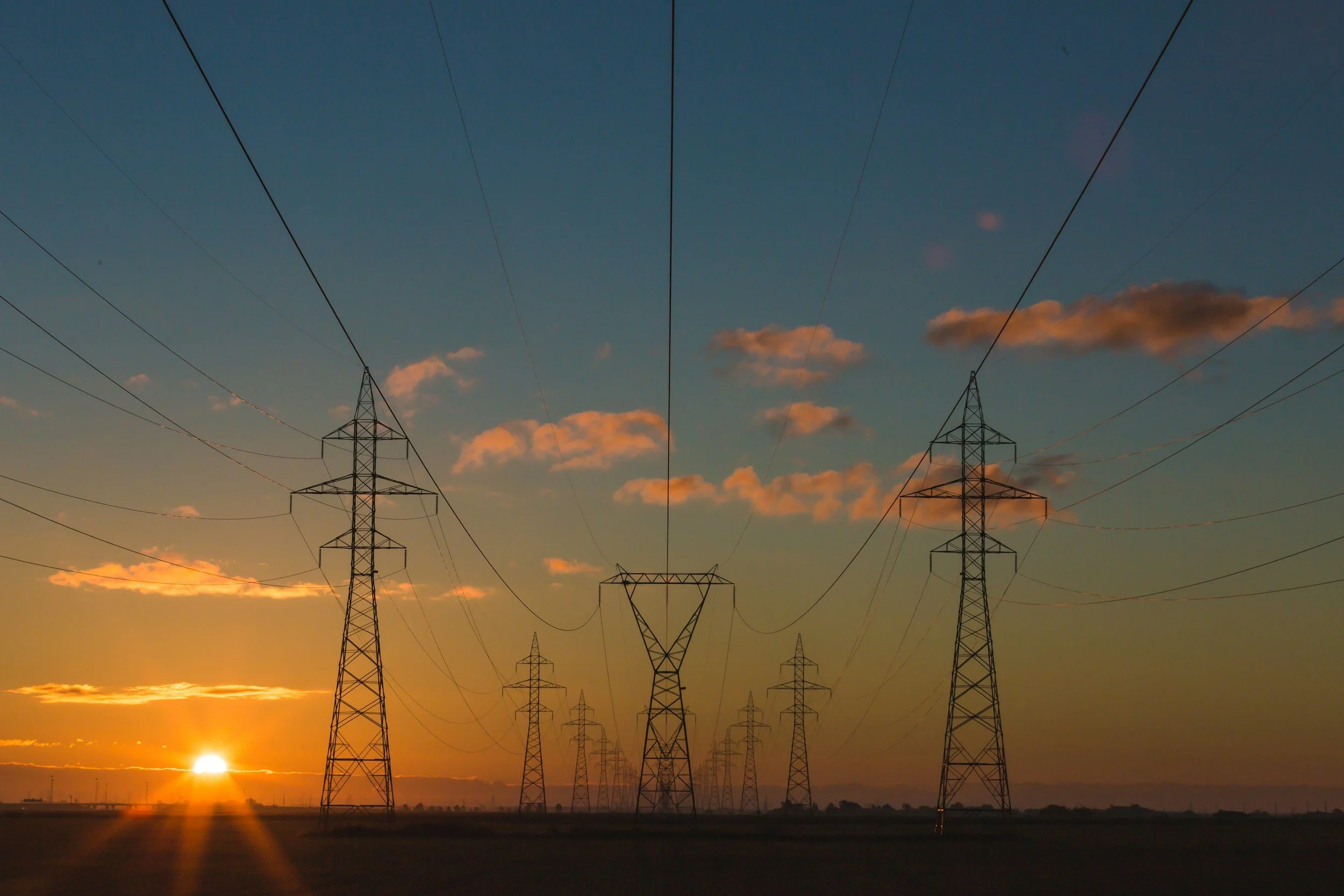
How the Texas Power Grid Works in 2026
Texas’s Independent Grid - What Makes It Unique
Texas operates its own standalone electrical system called the Texas Interconnection, separate from the Eastern and Western Interconnections used by the rest of the U.S. This independence allows Texas to run a unique competitive electricity market through ERCOT - the Electric Reliability Council of Texas.
But independence has limits:
Texas can import only a minimal amount of power from outside the state.
During emergencies, Texas must resolve shortages internally.
Every megawatt of power produced within the state matters when supply tightens.
The setup offers flexibility, but it also exposes Texans to risk when transmission lines, weather, or fuel supply chains fail.
Who Does What? The Players Behind the Grid
Generators
Facilities that produce electricity - including natural gas plants, wind turbines, solar farms, coal units, and nuclear power stations.
ERCOT
ERCOT balances real-time demand and supply, operates the ERCOT market, issues alerts, and coordinates with regulators.
Transmission & Distribution Utilities (TDUs)
Companies like Oncor, CenterPoint, and AEP Texas maintain poles, wires, and infrastructure, regardless of which retail provider you choose.
Retail Electricity Providers (REPs)
Companies such as Now Power, Base Power, and others sell electricity plans to homeowners.
Regulators
The Public Utility Commission of Texas (PUCT) oversees ERCOT.
The Texas Legislature passes laws related to energy markets, transmission capacity, and grid reliability - often in response to Texas Tribune investigations and public concerns.
What Powers Texas in 2026 - The Generation Mix
Texas relies on a diverse mix of renewable energy and traditional sources:
Natural Gas – The backbone of flexible, dispatchable generation.
Wind Energy – A major contributor, especially in West Texas.
Solar Power – The fastest-growing source, delivering massive midday generation.
Battery Energy Storage – Critical for evening peaks and stability.
Coal & Nuclear – Provide consistent baseload power.
Since 2023 and 2024, solar and storage projects have ramped up rapidly. Yet demand is rising just as quickly, and the grid must continuously add capacity to meet demand during extreme weather.
Why the Grid Still Feels Risky in 2026
The Lasting Impact of the 2021 Failure
During Winter Storm Uri:
Natural gas plants froze
Gas wells and wind turbines iced over
Demand surged beyond ERCOT’s expectations
Nearly 4.5 million Texans lost power
Many remained without heat or electricity for days
It wasn’t just a blackout - it was a statewide trauma.
The memory influences how Texans view outages, alerts, and extreme cold snaps.
Not sure your home can handle a grid emergency?
Get a fast backup power check from Hello Solar.
What Has Improved - And What Hasn’t
What’s Improved
Power plants and pipelines completed new weatherization requirements.
Texas added tens of gigawatts of solar, wind, and energy storage.
ERCOT increased operational reserves and upgraded forecasting tools.
More transmission projects are underway to reduce bottlenecks.
What Hasn’t Improved Enough
Transmission congestion still prevents some wind and solar power from reaching cities.
The grid’s isolation from the Eastern and Western Interconnections remains a liability.
Extreme heatwaves and freezes continue to push the system to its limits.
The rise of AI-driven workloads (“power AI”) and data centers increases strain on the system.
Even after multiple reforms by ERCOT and the PUC, Texans still experience unexpected power outages.
The 2026 Outlook - Bigger, Cleaner, But Still Stressed
Since 2021, Texas has added more than 40 GW of solar, wind, and battery capacity.
But ERCOT expects:
Peak summer demand regularly exceeds 85 GW
Total demand is expected to approach 150 GW by 2030
Steady growth in industrial loads and AI data centers
Continued stress during high-demand evenings
The grid is stronger than in 2021 - but not immune to rolling blackouts, supply shortages, or severe weather.
How Grid Stress Shows Up in Daily Life
More Conservation Alerts and “Near Misses”
Texans now routinely experience:
ERCOT alerts asking for reduced energy use
Peak demand warnings
Price spikes in the ERCOT market
Public statements from ERCOT, the PUC, and the Texas Legislature urging restraint
These alerts prevent outages, but they also reinforce the sense that reliability is not guaranteed.
Real Outages Texans Experience
Texans typically face two kinds of outages:
1. Grid-Level Failures
Extreme weather or a surge in demand can trigger controlled rolling blackouts to stabilize the system.
2. Local Outages
Caused by:
Storm damage
Downed lines
Equipment failures
High neighborhood demand
Even short outages disrupt cooling, work-from-home routines, and medical needs - especially when temperatures are above 100°F.
Why More Texans Are Choosing Backup Power in 2026
From “Optional” to “Essential”
Before 2021, backup systems were a luxury.
After 2021, they became insurance.
By 2026, they’re viewed as standard planning, much like home insurance or emergency supplies.
Homeowners want:
Security
Comfort
Independence from a stressed grid
Protection against spoiled food, hotel costs, and medical risks
Is your home outage-ready?
Get a quick backup power check from Hello Solar.
Economic Benefits - Not Just Emergency Protection
Backup power helps Texans:
Avoid blackout costs
Manage high bills during peak demand
Offset usage with solar
Reduce strain during evening hours
Gain stability with predictable energy costs
With incentives and tax credits, solar and battery systems now offer a clearer return on investment than ever before.
Backup Power Options for Texas Homes
Portable Generators
Pros: Affordable and easy to buy
Cons: Noisy, requires fuel, limited runtime, manual operation
Standby Generators (Natural Gas or Propane)
Pros: Automatic power restoration, supports whole-home loads, including AC
Cons: Higher cost, maintenance, emissions, and reliance on gas supply
Home Battery Backup
Pros: Silent, instant response, safe indoors, integrates with solar, supports critical loads
Cons: Higher upfront cost, limited runtime depending on system size
Solar + Battery Systems
Pros: Lower utility bills, reliable backup, renewable energy, long-term stability
Cons: Highest upfront cost, but strong federal and utility incentives offset this.
Hybrid Systems (Battery + Generator)
A popular option for rural areas or homes with an extended outage risk.
Incentives & Rebates - Why 2026 Is the Best Time to Act
Federal Incentives
The 30% federal tax credit (ITC) applies to solar and standalone battery systems.
Utility Incentives
Depending on your TDU and REP, you may qualify for:
Solar rebates
Battery incentives
Demand response payments (utilities paying for stored energy during grid stress)
The result: lower upfront costs and shorter payback periods.
Do You Need Backup Power? A Simple Checklist
1. Evaluate Your Outage Risk
Consider storms, freezes, hurricanes, and the frequency of ERCOT alerts.
2. Identify Your Critical Loads
Think: refrigerator, Wi-Fi, lights, laptops, medical devices, fans, or a mini-split AC.
3. Define Your Backup Personality
Comfort-first: Full home backup
Essentials-only: Critical circuits
Budget-conscious: Starter battery or generator
4. Compare Quotes
Assess:
Cost
Warranty
Noise level
Maintenance
Capacity
Runtime
Comparing solar + battery vs. generator systems helps determine the best long-term fit.
Conclusion: Backup Power Is Becoming the New Normal in Texas
The Texas power grid in 2026 is bigger, cleaner, and more advanced than ever before, but it is also under more strain than at any point in its history. Extreme weather, rapid population growth, and rising industrial demand mean ERCOT will continue walking a fine line between stability and stress. For homeowners, that reality turns grid reliability from a distant policy concern into something personal: your comfort, your food, your work, and your family's safety.
Backup power has shifted from a luxury to a practical necessity for many Texans. Whether it is a portable generator, a home battery, or a full solar and storage system, more households are choosing to take control rather than wait for the next outage or conservation alert. By understanding your outage risk, identifying your essential loads, and planning the right backup solution for your home, you are building resilience long before the next storm or heatwave arrives.
Which backup option best fits your home?
Get a quick backup power check from Hello Solar.
FAQs
1. Why does Texas still have grid alerts if new power plants and batteries are being added?
Because population growth, industrial expansion, and record heatwaves are pushing demand higher every year. Even with new capacity, supply and demand can get dangerously close during summer evenings.
2. What causes most power outages in Texas?
Most outages are local, not statewide. Common causes include storms, downed trees, aging equipment, blown transformers, and overloaded neighborhood circuits during heatwaves.
3. Does solar power keep my house running during an outage?
Not by itself. Standard grid-tied solar shuts off during an outage for safety. To power your home during an outage, you need a battery system, a generator, or a hybrid setup.
4. How long can a home battery keep my home running?
Most batteries can power essentials (fridge, lights, WiFi, small AC) for 8 to 20 hours. With solar, batteries can recharge daily and run much longer during extended outages.
5. How do I know what size backup system I need?
It depends on your essential loads (AC, fridge, WiFi, medical devices), your home size, and how long you want backup power to last. An energy assessment or load calculation helps determine the right system size.
